
For some businesses, transport is an occasional requirement. For others, it is a regular part of daily operations.
Manufacturers may need goods moved as production progresses. Suppliers may arrange collections throughout the week, while retailers and wholesalers can have changing transport needs as orders are prepared. When these movements become recurring, organising every job from scratch can create unnecessary administration.
A considered commercial transport plan helps businesses establish consistent processes while allowing room for changing requirements. Allcare Logistics provides transport services for businesses with individual and ongoing freight needs, helping them discuss arrangements that suit their operational requirements.
Understand the Pattern Behind Your Freight
The first step towards a more organised transport arrangement is understanding how freight moves through the business.
Look at the types of goods being transported, how often collections are required and which destinations appear regularly. It may also help to identify whether freight volumes vary across particular days, weeks or business periods.
Useful questions include:
- How frequently does the business require transport?
- Are collection locations consistent?
- Do freight quantities change from job to job?
- Are there recurring delivery instructions?
- Which consignments need additional handling consideration?
- Are there predictable periods of higher demand?
The answers can help a business explain its requirements more clearly when discussing ongoing transport support.
Create Consistent Freight Records
Accurate freight information is valuable for individual bookings, but it can be especially useful when a business arranges transport regularly.
A simple record of common freight types, dimensions, approximate weights and collection locations can help staff prepare booking details more consistently. It may also highlight differences between consignments that appear similar but require different arrangements.
For example, two loads may contain the same number of items but occupy different amounts of vehicle space. Packaging, shape and handling requirements can also affect the transport plan.
Allcare Logistics’ transport information requests details such as goods carried, pallet quantities, dimensions, weight, delivery addresses and site restrictions. Keeping these details accurate supports a more informed discussion about each job.
Separate Routine Requirements from Changing Needs
A recurring transport arrangement should provide consistency without assuming every load is identical.
A business might regularly move similar goods but occasionally need to transport a larger consignment or an unusually shaped item. Another may have a familiar collection point but changing delivery destinations.
It is useful to identify which details remain consistent and which need to be confirmed every time.
For example, a business can maintain standard collection instructions while checking the actual freight quantity, dimensions, destination and timing for each booking. This approach combines an established process with the flexibility to respond to individual jobs.
Businesses should also review their transport requirements when their operations change. New products, different packaging or changes to collection frequency may affect the type of transport arrangement needed.
Plan for Busy Periods Before They Arrive
Demand can fluctuate with production schedules, promotional activity, seasonal trading and changing customer orders. When transport is needed more frequently, early communication becomes important.
Businesses can review upcoming requirements and discuss anticipated changes before the busiest period begins. Although forecasts may change, an early conversation provides an opportunity to explain likely volumes, preferred collection arrangements and any unusual freight needs.
It is also sensible to communicate changes promptly rather than assuming an existing booking will automatically accommodate them.
Planning ahead can help businesses understand their requirements and discuss suitable arrangements before additional demand arises.
Consider Vehicle Requirements Across Different Jobs
Recurring transport does not necessarily mean using the same vehicle for every consignment.
A smaller load may need a different configuration from a larger movement of bulky commercial goods. Weight, dimensions, volume and loading conditions should all be considered.
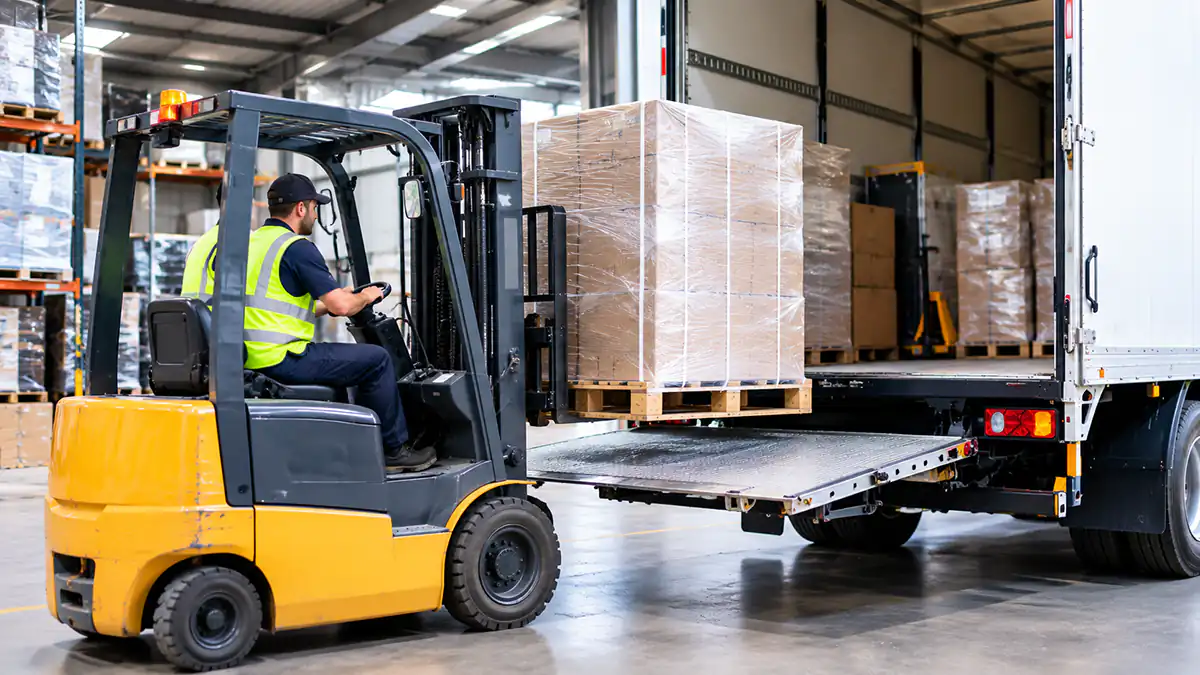
Allcare Logistics offers a range of commercial vehicles, including furniture vans and tautliners in different sizes. Hydraulic tailgate options and equipment considerations may also be relevant for suitable loads.
Discussing the actual freight requirements helps businesses assess the appropriate arrangement instead of relying on assumptions based on previous jobs.
Make Communication Part of the Process
A repeatable transport process works best when everyone understands their responsibilities.
Businesses should ensure that the person arranging the booking has access to accurate freight information. Collection staff should know when goods will be ready, while the receiving contact should understand the planned delivery arrangements.
If a quantity, address or site condition changes, that information should be passed on as soon as possible.
For businesses with several staff members arranging transport, a shared checklist can help maintain consistency and reduce the risk of important details being missed.
Discuss an Arrangement That Fits Your Business
Ongoing transport requirements differ between businesses. The right approach depends on freight characteristics, collection frequency, destinations and the degree of flexibility needed.
Allcare Logistics states that it offers customised transport services to suit business requirements, including transport for permanent hire arrangements. Businesses can discuss their regular movements and particular requirements to understand what type of service may suit their operations.
Final Thoughts: Turn Repeated Bookings into a Clearer Process
Recurring freight does not have to mean repeating the planning process without improvement. Accurate records, consistent booking information and early communication can help businesses organise transport more effectively.
By reviewing freight patterns and discussing both regular and changing needs, businesses can establish a more practical approach to their transport requirements.
Allcare Logistics can discuss your ongoing commercial transport needs, from regular freight movements to changing vehicle and scheduling requirements.
Call us 📞1300 755 135